METHODOLOGY

An evidence-based, independent and documented methodology

Agroforest Monitoring Agency produces findings and verification evidence based on documentary cross-checks, field observations and geospatial data, in order to strengthen the importer’s evidence file.

Our approach also incorporates risk indicators relating to the environment, labour rights, human rights and compliance with applicable laws.

OUR PRINCIPLES

Evidence-based findings
Documentary, field and geospatial verification.

Independence and confidentiality
No involvement in production, trading or transport.

A broader assessment of risks
Documentary consistency, physical supply chain and ESG risk indicators.

Importer responsibility
Our findings strengthen the evidence file without replacing it.

THE FOUNDATIONS OF OUR APPROACH

1

Independence
No commercial involvement in the verified supply chain.

2

Confidentiality
Secure and confidential handling of the information collected.

3

Cross-checked evidence
Cross-checking of documentary evidence, field findings and geospatial data.

4

ESG risk assessment
Identification of indicators relating to the environment, labour rights, human rights and compliance with applicable laws.

WHAT OUR REPORTS ARE NOT

They do not constitute official EUDR certification or an automatic guarantee of compliance; they provide independent analysis, verification and supporting evidence.

OUR METHODOLOGY IN 6 KEY STEPS

1

Documents submitted

The documents provided by the supplier or exporter are reviewed to determine their scope, consistency and any points requiring additional verification.

2

Documentary analysis

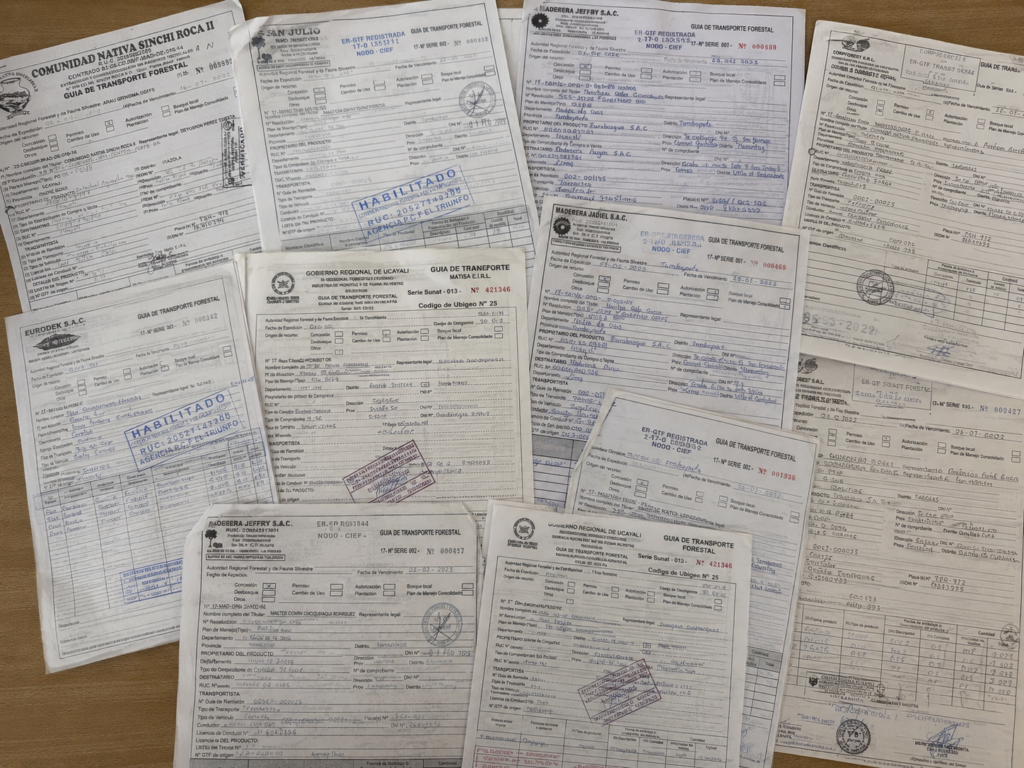
Legal titles, authorisations, licences, tax information and transport documents are analysed to understand the declared legal framework and identify any areas of uncertainty.

3

Field verification

When required by the assignment, our field teams visit the relevant sites to confirm that the operations actually exist, verify their location and assess their consistency with the documents provided.

4

Processing points

Processing points, sawmills, preparation areas and export sites are examined to verify the continuity of the supply chain and the operational reality of the parties involved.

5

Cross-checking

Documentary information, field observations, transport data and declared information are compared to identify discrepancies, inconsistencies or risk indicators.

6

Evidence file

The findings are structured into a file that can be used by the importer, with a clear summary of the verified evidence, the limitations identified and the associated risk level.

Verify every link in the physical supply chain

From the declared origin to shipment, the chain is corroborated through field and documentary verification.

1

Origin area / concession / POA

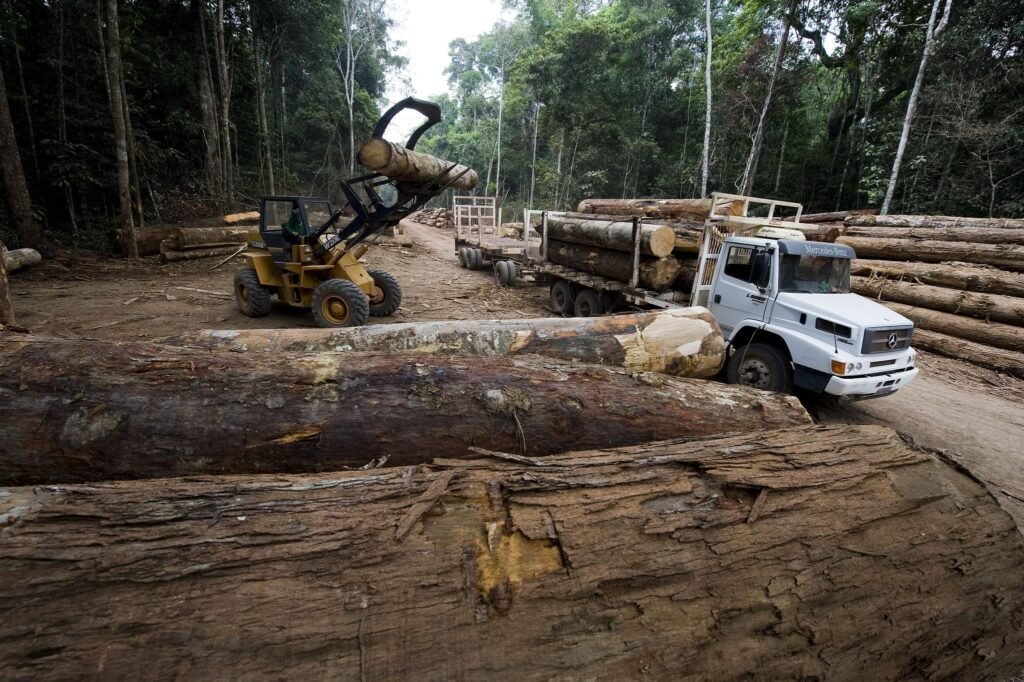
Declared origin areas are visited to confirm the existence, location, boundaries and use of the relevant plots or concessions.

2

Documentary consistency of transport

Transport documents are examined to verify the consistency of flows between the origin area, the processing points and the loading of the container.

3

Processing points

Sawmills, drying facilities, planing areas, machining units and storage sites are verified according to the actual organisation of the supply chain, whether grouped on a single site or distributed across several locations.

4

Shipment / container loading

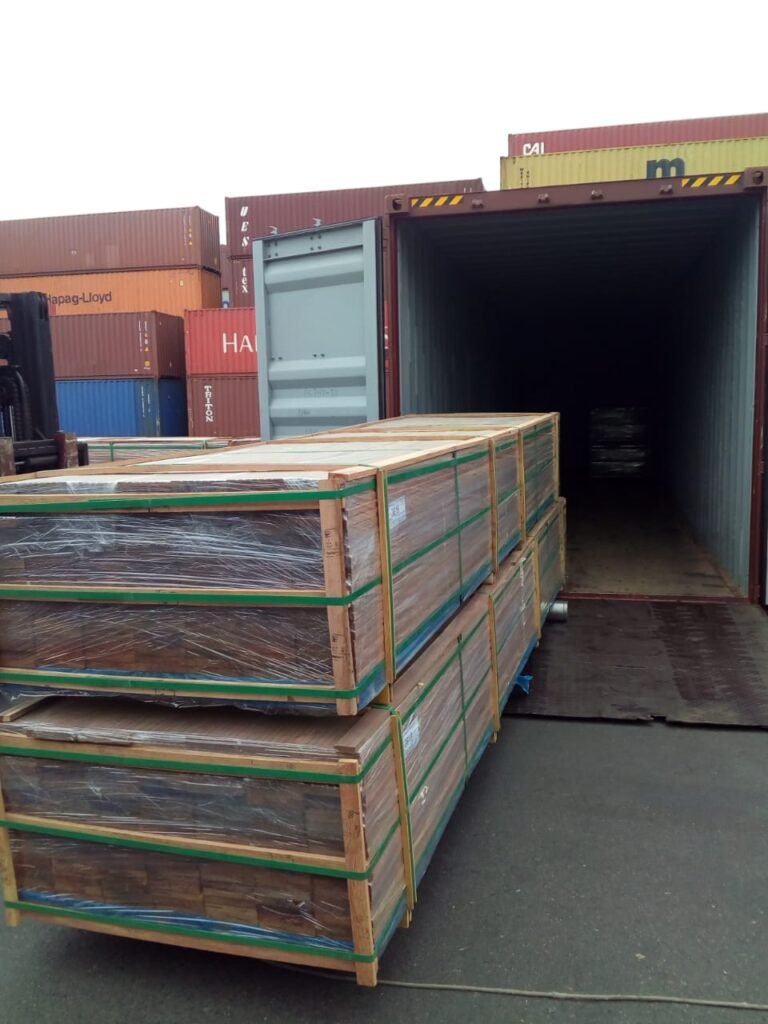
Shipping documents, batch information and evidence associated with the container are examined to link the export file to the verified supply chain.

This standard methodology aims to corroborate the actual physical supply chain, from the declared origin through to shipment, by combining field verification, confirmation that the sites are operational and documentary consistency between each link in the chain.

Detailed analysis of volumes and yields — material balances, volume discrepancies and ratios — is an additional service.

Traceability of findings

All field findings are dated, geolocated and documented.

Independence

No involvement in production, trading or transport.

Confidentiality

Data and information are handled securely and confidentially.

Corroborated physical and documentary supply chain

Each link in the chain is verified and connected to the corresponding documents to support robust due diligence.

Cross-checking sources to produce consolidated evidence

No single piece of data is sufficient. Findings are strengthened by cross-checking field observations, documents, geolocated evidence, official records and information from local stakeholders.

1

Satellite imagery

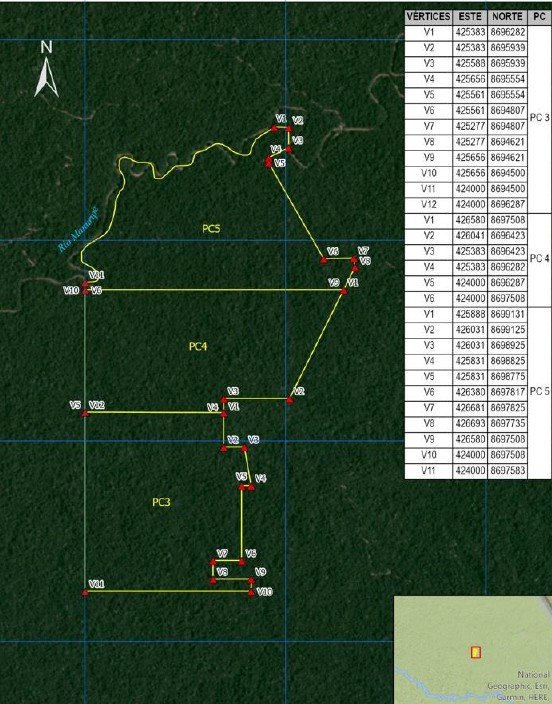
Observation of origin areas, changes in land cover and certain indicators relevant to the verification.

2

GPS geolocation

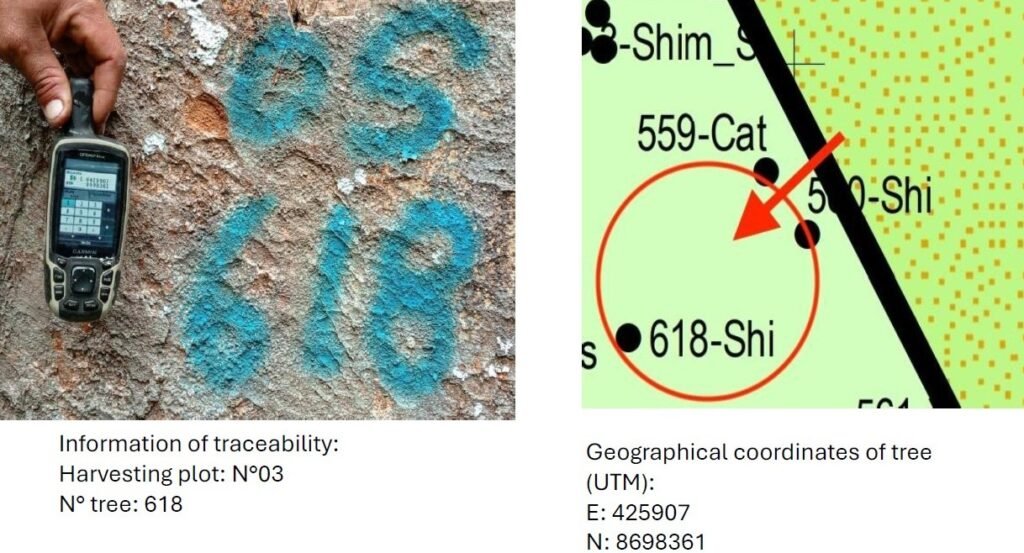
GPS cross-checks carried out during field inspections to confirm that the trees listed in the parcel dispersion plan correspond to those actually harvested.

3

Documentary analysis

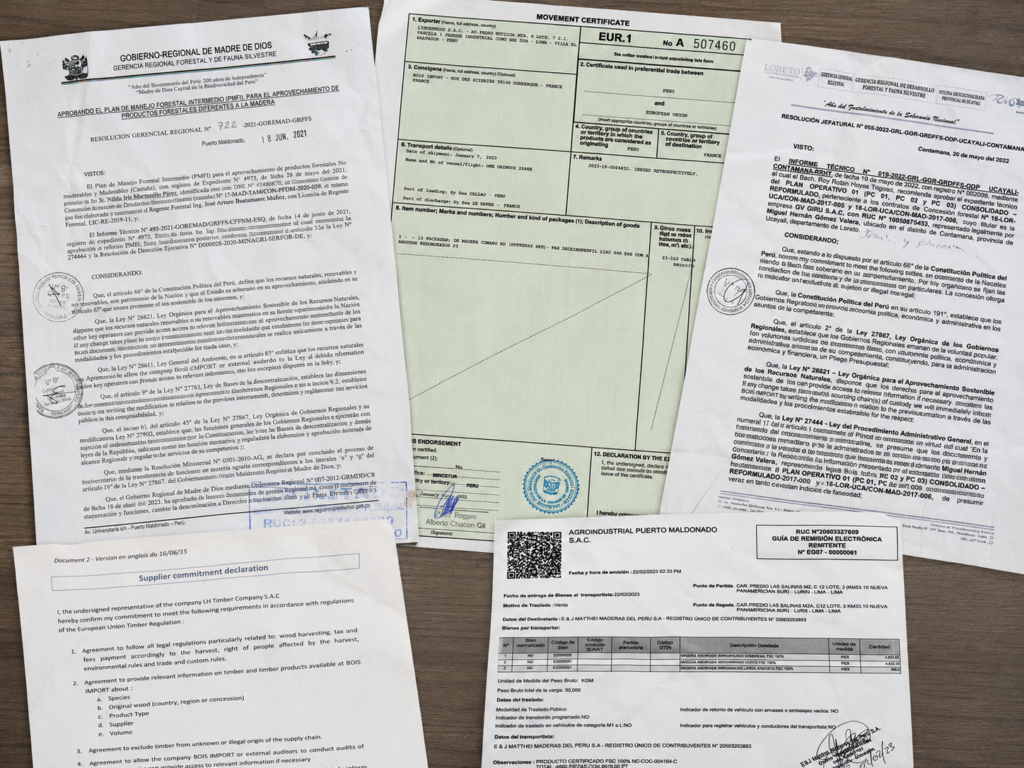
Análisis documental y cartográfico de un expediente de trazabilidad de la madera

The documents provided are examined to assess their consistency, scope and correspondence with the information observed in the field.

4

Official documents and authorisations

POAs, logging permits, commercial registers, the roles of the companies involved and other administrative evidence are checked.

5

Field interviews

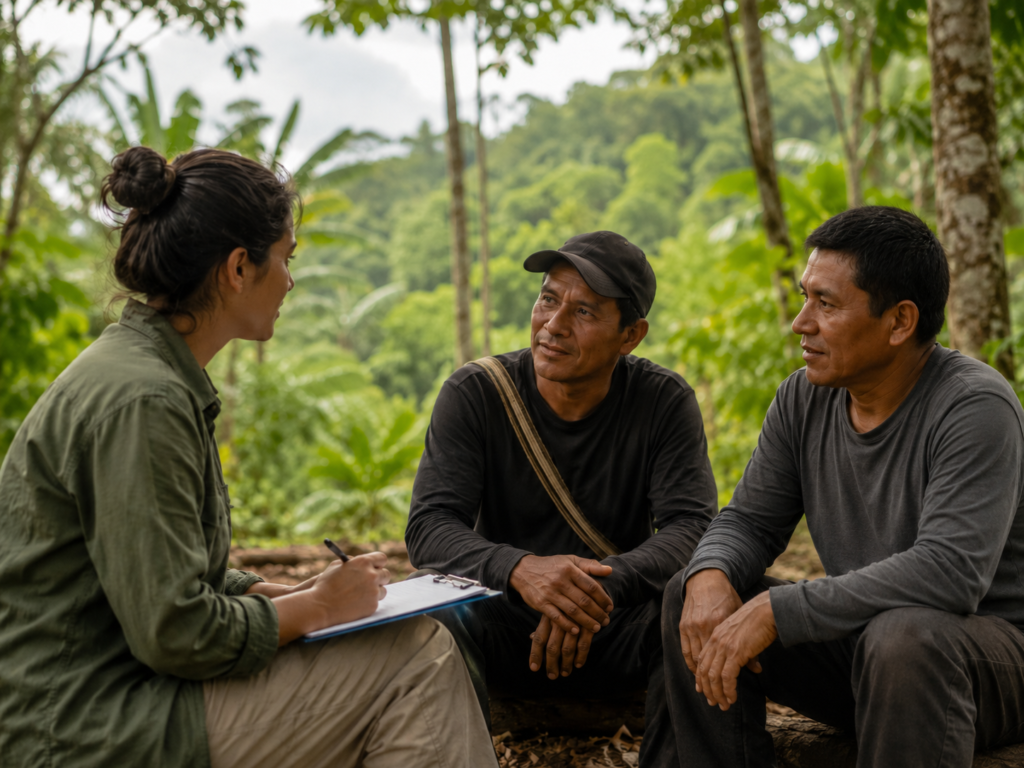
Discussions with the relevant stakeholders help contextualise the information and corroborate the findings collected.

SATELLITE

+

FIELD GPS

+

DOCUMENTS

+

OFFICIAL AUTHORISATIONS

+

LOCAL STAKEHOLDERS

=

CONSOLIDATED EVIDENCE

Findings strengthened through the cross-checking of complementary sources.

METHODOLOGY

Clear, actionable and traceable deliverables.

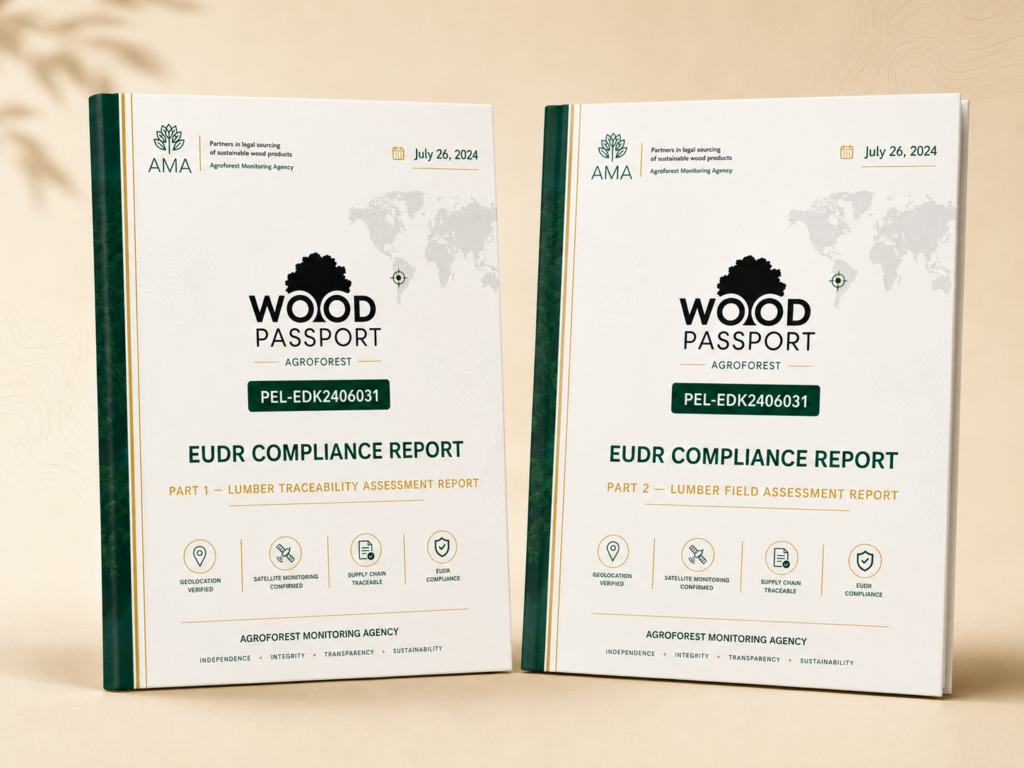
Our findings are organised into two main reports and complementary deliverables that strengthen the importer’s evidence file and make it easier to review in the event of an inspection.

OUR MAIN DELIVERABLES

1. DOCUMENTARY REPORT

Analysis of documents, authorisations, POAs, registers and transport documents, providing a clear overview of the information verified and its consistency with the declared supply chain.

MAIN DELIVERABLE

2. FIELD REPORT

On-site findings, field observations, geolocated evidence and associated visual proof, confirming the operational existence of the sites, their location and their consistency with the documents provided.

MAIN DELIVERABLE

3. VOLUME CONTROL

Additional analysis of volumes, yields and material flows to verify quantitative consistency between the different stages of the supply chain, when required by the assignment.

ASSOCIATED FILE
additional service

4. RISK SUMMARY AND
AREAS OF VIGILANCE

Clear summary of inconsistencies, identified limitations, risk level and broader areas of vigilance where justified by the context.

CROSS-CUTTING ASSESSMENT